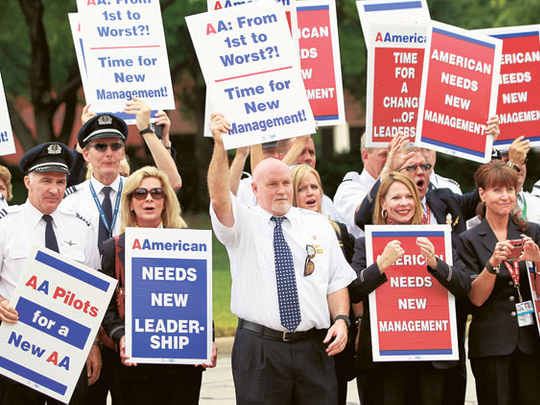
The airline industry is no stranger to consolidation, but when one of the nation’s largest carriers publicly rebukes another for refusing to engage in merger talks, it signals more than just corporate posturing—it reflects a fundamental divergence in strategic vision. United Airlines CEO Scott Kirby has sharply criticized American Airlines for declining to discuss a potential merger, calling the decision short-sighted and detrimental to the long-term health of both airlines and the broader U.S. aviation sector.
This isn’t the first time merger speculation has swirled around the two legacy carriers. But Kirby’s pointed comments mark a rare moment of public frustration from a typically measured industry leader, suggesting that United sees more than just growth in consolidation—it sees survival.
Why United Wanted the Merger
At its core, United’s interest in a merger with American Airlines stems from a desire to build a more competitive, globally dominant carrier. With Delta Air Lines expanding aggressively in transatlantic and premium long-haul markets, United has found itself in a constant race to keep pace. A merger would have created a combined entity with the scale to challenge Delta’s network strength and pricing power—particularly in key international corridors.
Key strategic advantages United likely considered:
- Network Synergy: United leads in Asia-Pacific routes; American has deep strength in Latin America and transatlantic hubs like Charlotte and Philadelphia. Together, they’d cover more of the globe with fewer redundancies.
- Cost Efficiencies: Merging operations—especially in back-office systems, maintenance, and procurement—could yield billions in savings over a decade.
- Loyalty Program Leverage: With frequent flyer programs now valued like standalone tech assets, combining United’s MileagePlus and American’s AAdvantage would create one of the most powerful loyalty ecosystems in travel.
- Bargaining Power: A larger combined airline could negotiate better terms with aircraft manufacturers, airports, and global alliance partners.
United’s leadership appears to believe that in an era where scale determines influence, standing still is not an option.
American Airlines’ Stance: Independence Over Integration
American Airlines’ refusal to entertain merger talks isn’t rooted in financial weakness. On the surface, American is stable—profitable in recent quarters, with a modernizing fleet and a strong domestic footprint. But its leadership, including CEO Robert Isom, has consistently emphasized independence as a core principle.
In internal communications and public statements, American has argued that its turnaround strategy—centered on operational reliability, cost discipline, and a customer-centric service model—doesn’t require a merger to succeed. The airline has invested heavily in upgrading aircraft cabins, improving on-time performance, and rebuilding trust after years of service issues.

But there’s another layer: pride. American Airlines is the world’s largest airline by fleet size and passenger miles. Merging—even under a neutral name—would inevitably dilute its brand identity. For a company with deep historical roots and a loyal customer base, that’s a tough pill to swallow.
Still, industry analysts question whether pride is a sustainable strategy in an industry increasingly defined by consolidation and capital intensity.
The Bigger Picture: U.S. Airlines vs. Global Giants
United’s push for a merger isn’t just about beating Delta. It’s about competing with international behemoths like Emirates, Lufthansa Group, and Air France-KLM—all of which benefit from state backing, sprawling alliance structures, or government-facilitated mergers.
Consider this: - Emirates operates over 250 aircraft focused on global connectivity via Dubai. - Lufthansa owns Austrian, Swiss, and Brussels Airlines, giving it dominant European reach. - Air France-KLM has a combined network that spans five continents with coordinated pricing and scheduling.
In contrast, U.S. airlines remain fragmented. Despite being part of the Oneworld (American) and Star Alliance (United) networks, they lack the operational integration of their foreign counterparts. A United-American merger could have created a true transnational player—capable of matching foreign carriers in route density, frequent flyer value, and pricing leverage.
Kirby’s frustration may stem from seeing U.S. airlines cede ground while global competitors grow stronger. “We’re not competing just against each other,” he said in a recent interview. “We’re competing for the loyalty of the world’s most valuable travelers. And right now, we’re bringing a knife to a gunfight.”
What Went Wrong in the Merger Talks
While American Airlines publicly denies any formal merger discussions took place, sources familiar with the matter confirm that United did float the idea at the executive level earlier this year. The overture was reportedly met with lukewarm reception, then outright rejection.
Several factors likely contributed to American’s decision:
- Leadership Ego and Brand Identity: CEOs and boards often resist mergers that threaten their authority or brand equity.
- Regulatory Uncertainty: The Biden administration has taken a hard line on corporate consolidation, killing deals in tech, healthcare, and agriculture. An airline merger of this size would face intense DOJ scrutiny.
- Past Merger Trauma: The 2013 American-US Airways merger was rocky, with years of integration issues, labor disputes, and customer service breakdowns. Many executives remain wary.
- Different Strategic Priorities: American is focused on repairing its reputation; United is focused on global expansion. Alignment was never strong.
But perhaps the biggest obstacle was timing. American is still in recovery mode from pandemic-era losses and operational chaos. Taking on a merger now—no matter how promising—would introduce massive complexity.
Could the Deal Still Happen?
While talks are dead—for now—they may not stay buried. Industry cycles are long, and leadership changes everything.

If United continues to outperform American in key metrics like profitability, customer satisfaction, or international load factors, the balance of power could shift. A future American CEO, facing pressure from shareholders or weakened by operational setbacks, might be more open to discussion.
Similarly, if the DOJ signals a willingness to approve large airline mergers under certain conditions—such as divesting overlapping routes or enhancing consumer protections—the regulatory landscape could soften.
For now, though, the window is closed. And Kirby’s public comments suggest frustration not just with American’s refusal, but with what he sees as a broader lack of ambition in the U.S. airline industry.
Lessons for the Airline Industry
The United-American standoff offers several takeaways for aviation leaders and investors:
- Scale Matters, But So Does Execution: Bigger isn’t always better—unless you can integrate effectively. The success of the Delta-Northwest merger versus the struggles of United-Continental shows that cultural fit and operational planning are critical.
- Customer Loyalty Is the New Currency: Airlines no longer compete just on price or routes. They compete on points, upgrades, and personalized experiences. A combined United-American loyalty program could have been worth tens of billions.
- Regulatory Climate Shapes Strategy: No merger happens in a vacuum. With antitrust enforcement at a high point, airlines must consider political risk as seriously as financial risk.
- Public Criticism Is a Last Resort: Kirby’s open criticism of American is unusual. It suggests United felt dismissed—and may be laying groundwork to position American as obstructionist in future industry debates.
What Travelers Should Watch For For passengers, the fallout from this failed overture could play out in subtle but meaningful ways:
- More Route Competition: Without a merger, both airlines will likely continue battling for market share, potentially leading to more routes, better fares, and improved service.
- Loyalty Program Innovation: Expect both United and American to accelerate upgrades to their frequent flyer programs to retain high-value customers.
- Potential for Smaller Acquisitions: If large mergers are off the table, both carriers may pursue regional expansions or minority stakes in low-cost or international partners.
Business travelers with elite status on either airline should monitor how each carrier invests in lounge access, priority boarding, and award seat availability—areas where competition could intensify.
The Bottom Line
Scott Kirby’s criticism of American Airlines isn’t just corporate drama—it’s a symptom of a deeper tension in the U.S. aviation industry. As global competitors grow larger and more integrated, American carriers face a choice: consolidate for strength or compete independently with diminishing returns.
United sees merger as necessity. American sees independence as identity. Neither is wrong—but only one strategy may survive the next decade.
For now, travelers benefit from the rivalry. But in the long run, the U.S. may need fewer, stronger airlines—not more fragmented ones. Whether American Airlines will reconsider that reality remains to be seen.
Frequently Asked Questions
Why did United want to merge with American Airlines? United sought a merger to create a larger, more globally competitive airline with enhanced route networks, cost savings, and a dominant loyalty program to rival Delta and international carriers.
Did American Airlines reject a formal merger proposal? No formal proposal was filed, but United did initiate high-level discussions, which American declined to pursue, citing strategic independence.
Could the U.S. government allow a United-American merger? It’s unlikely under current antitrust policies. The Department of Justice has opposed major consolidations, and a merger of the second- and third-largest U.S. airlines would face steep regulatory hurdles.
How would a merger affect airline customers? Passengers might see improved international routes and loyalty benefits, but reduced domestic competition could lead to higher fares on overlapping routes.
Is another merger attempt likely soon? Not in the near term. Leadership at both airlines remains committed to independent strategies, and no major shifts suggest imminent change.
What are the biggest benefits of airline mergers? Mergers can lead to network expansion, lower operating costs, stronger frequent flyer programs, and better bargaining power with suppliers and airports.
How do global airlines compare to U.S. carriers in size and reach? Many foreign airlines operate as part of integrated groups (e.g., Lufthansa Group) or receive state support, giving them broader reach and stability compared to independent U.S. carriers.
FAQ
What should you look for in United Chief Slams American Airlines Over Merger Rejection? Focus on relevance, practical value, and how well the solution matches real user intent.
Is United Chief Slams American Airlines Over Merger Rejection suitable for beginners? That depends on the workflow, but a clear step-by-step approach usually makes it easier to start.
How do you compare options around United Chief Slams American Airlines Over Merger Rejection? Compare features, trust signals, limitations, pricing, and ease of implementation.
What mistakes should you avoid? Avoid generic choices, weak validation, and decisions based only on marketing claims.
What is the next best step? Shortlist the most relevant options, validate them quickly, and refine from real-world results.




:max_bytes(150000):strip_icc()/GettyImages-21696356521-4fbe8ad077b44dd89725c2f789cb6716.jpg)
